

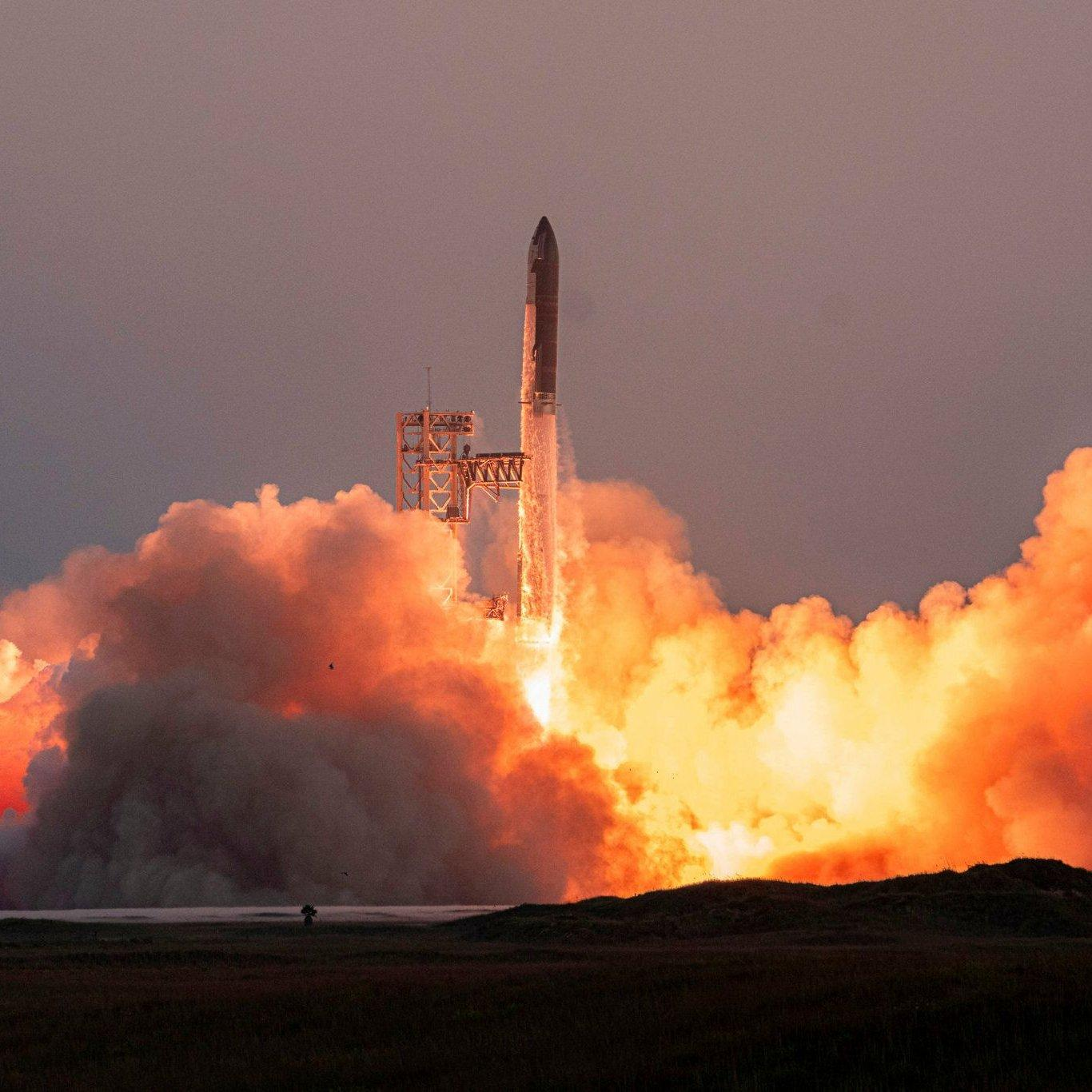
Elon Musk has made an ambitious prediction about the future of AI infrastructure: by the end of 2028, the amount of computing capacity deployed in orbit each month could surpass new deployments on Earth, with the gap widening significantly in 2029.
In a post on X on October 30, Musk wrote that terrestrial computing would eventually become relatively insignificant compared with orbital computing. His prediction has drawn attention not only because of its timeline, but also because it suggests a potential shift in where the next generation of AI infrastructure will be built.
Importantly, Musk was comparing the monthly deployment of new computing capacity, rather than the total installed capacity on Earth and in space. If his forecast proves accurate, the center of gravity in AI infrastructure expansion could begin to shift within the next few years.
The Bottleneck Is No Longer Just About Chips
Over the past several years, competition in the AI industry has largely revolved around model parameters, GPU performance and algorithmic efficiency. But as demand for large-scale model training and inference continues to grow, the limiting factors are increasingly shifting from computing hardware itself to energy and physical infrastructure.
A large AI data center requires far more than thousands of high-performance chips. It also needs a reliable electricity supply, sophisticated cooling systems, land and supporting power infrastructure.
Even when companies can secure enough GPUs, they may still struggle to obtain sufficient electricity or the necessary construction approvals within a reasonable timeframe.
This is the central reason behind Musk's interest in orbital computing.
In space, solar panels can receive sunlight without atmospheric interference. With carefully selected orbital configurations, satellites could also achieve relatively consistent access to solar energy. At the same time, orbital data centers would not need to rely on conventional power grids or occupy large areas of land in the same way as terrestrial facilities.
For AI workloads with substantial and continuous power requirements, this offers an alternative infrastructure model.
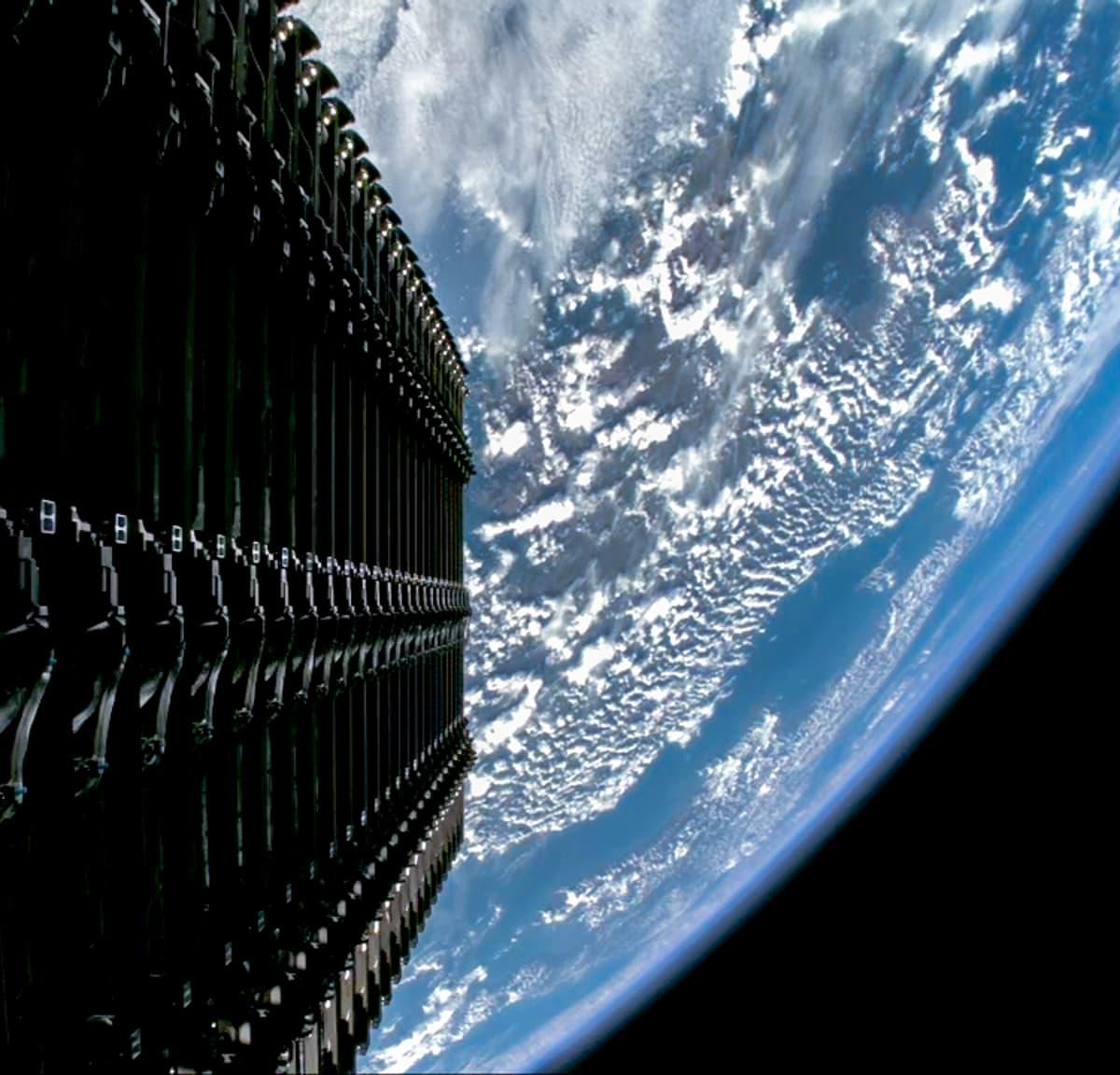
SpaceX has outlined a technical approach involving solar-powered computing satellites, radiative heat dissipation and inter-satellite laser communications to create interconnected computing networks in orbit.
SpaceX's Real Advantage: Starship, Solar Power and Computing Satellites
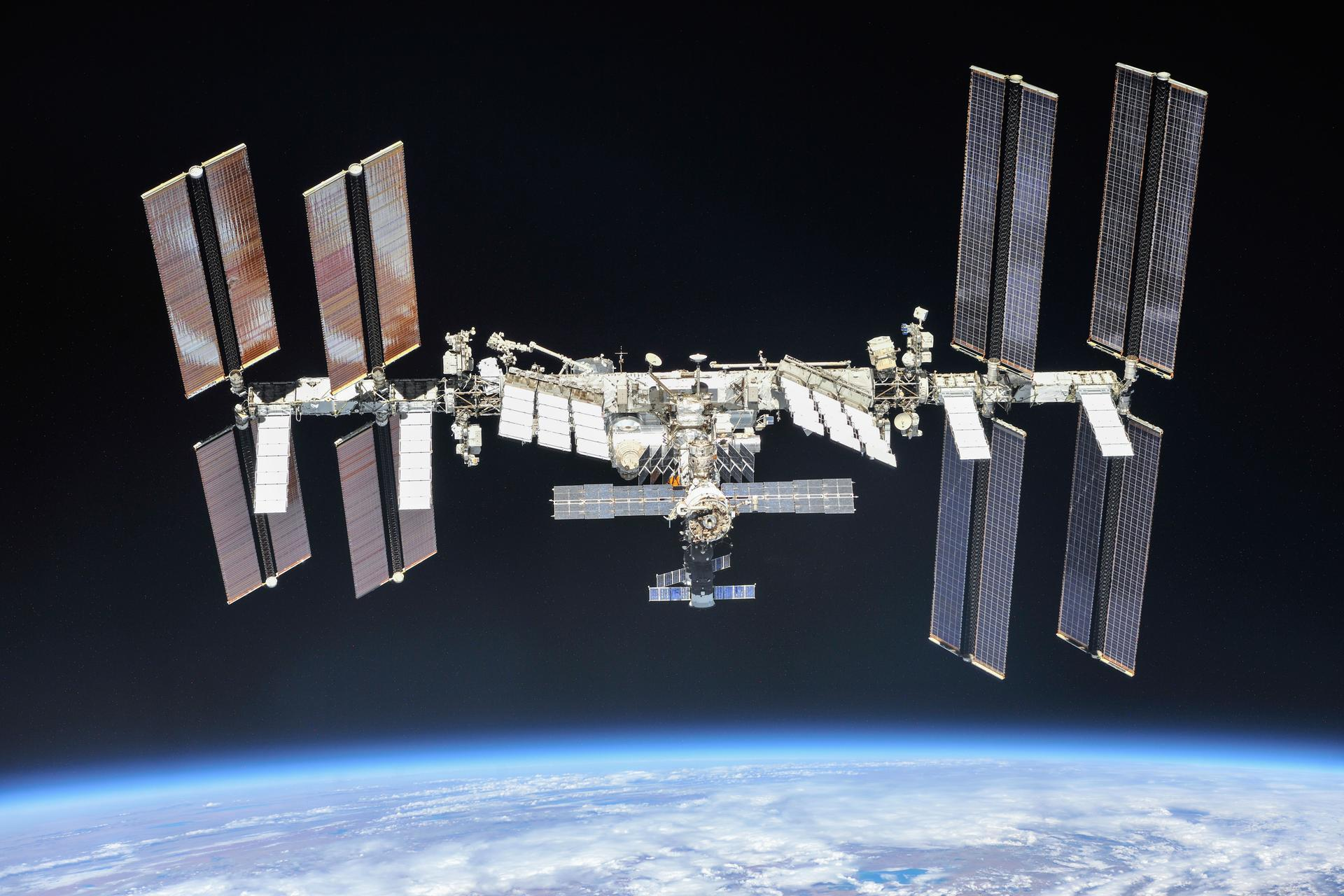 Building orbital data centers is not simply a matter of transporting conventional servers into space. It requires an entirely different approach to energy generation, chip operation, thermal management and data transmission.
SpaceX's strategy revolves around three critical components:
- Launch capability: Starship is expected to make large-scale satellite transportation more affordable. Without significantly lower launch costs, orbital data centers may remain limited to small-scale demonstrations rather than commercial infrastructure.
- Energy and thermal management: Solar arrays would provide electricity, while specialized radiators would release the heat generated by computing hardware into space. Unlike terrestrial data centers, orbital systems cannot rely on air convection, making thermal management a particularly demanding engineering challenge.
- Network connectivity: Inter-satellite laser links could connect individual computing satellites into distributed clusters, while the Starlink network could provide a communications bridge between orbital infrastructure and users on Earth.
SpaceX executives have indicated that the company aims to begin demonstrating orbital AI computing capabilities in 2027, with broader deployment targeted for 2028. The first satellites are expected to use Nvidia hardware, while Starship will play a central role in making large-scale deployment economically viable.
The more significant development is that data centers could gradually evolve from large, fixed terrestrial facilities into distributed infrastructure that can expand through satellite deployment.
Can It Happen by 2029? Commercial Viability Remains the Biggest Challenge
Despite the ambitious timeline, several major obstacles remain.
The first is launch economics. Orbital data centers require substantial quantities of solar panels, computing hardware and thermal management equipment. Any savings achieved through satellite design could be offset by launch, assembly and maintenance costs.
Starship's ability to achieve frequent launches and rapid reusability will therefore be critical to the business model.
The second challenge is hardware reliability. Spacecraft face radiation, extreme temperature variations and the risk of collisions with orbital debris. High-performance GPUs and other electronic components must operate reliably under these conditions. Unlike terrestrial facilities, where servers can be replaced or repaired, fixing hardware in orbit is considerably more difficult and expensive.
There is also the question of workload suitability. Model training, real-time inference and data storage have different requirements for bandwidth, latency and security. Applications that frequently interact with users on Earth may not be ideal candidates for orbital computing.
Industry skepticism is also growing. Google's data center energy leadership has reportedly questioned the economics of space-based infrastructure, arguing that orbital facilities could cost substantially more than terrestrial alternatives. The Associated Press has also highlighted unresolved issues involving heat dissipation, radiation, satellite maintenance and orbital debris.
The Competition for AI Infrastructure Is Moving Beyond Earth
 The most important aspect of Musk's prediction is not whether the 2029 timeline proves accurate. It is the changing boundaries of competition in the AI industry.
Until now, companies have competed over who can secure more GPUs, develop more advanced models and build larger data centers. In the next phase, the competition could extend to who can access energy more efficiently, manufacture computing hardware at scale and deploy computing capacity across a much wider physical environment.
If orbital computing eventually becomes commercially viable, SpaceX's competitive position could extend beyond rocket launches and satellite communications into the underlying infrastructure of the AI economy.
The next major battle in AI may not be fought over computing power alone, but over the energy, physical space and transportation systems required to sustain it.
Terrestrial data centers are unlikely to disappear anytime soon. But space could become an increasingly important frontier for the next generation of computing infrastructure.