

If one day, all you have to tell an AI is, “Book me a flight for tomorrow.”
It searches for available flights, compares prices, selects the best option and completes the payment for you. You may not even need to open your banking app or click “Confirm Payment” yourself.
It may sound like something out of a science-fiction movie, but as AI agents move from “answering questions” to “completing tasks on behalf of users,” this future is becoming increasingly tangible.A new set of questions follows: When a transaction is no longer completed directly by a human but executed by an AI agent on the user’s behalf, who authorizes the payment? How much can the agent spend? And how should the transaction be recorded and tracked?
These questions could become central to the next stage of AI-driven commerce.
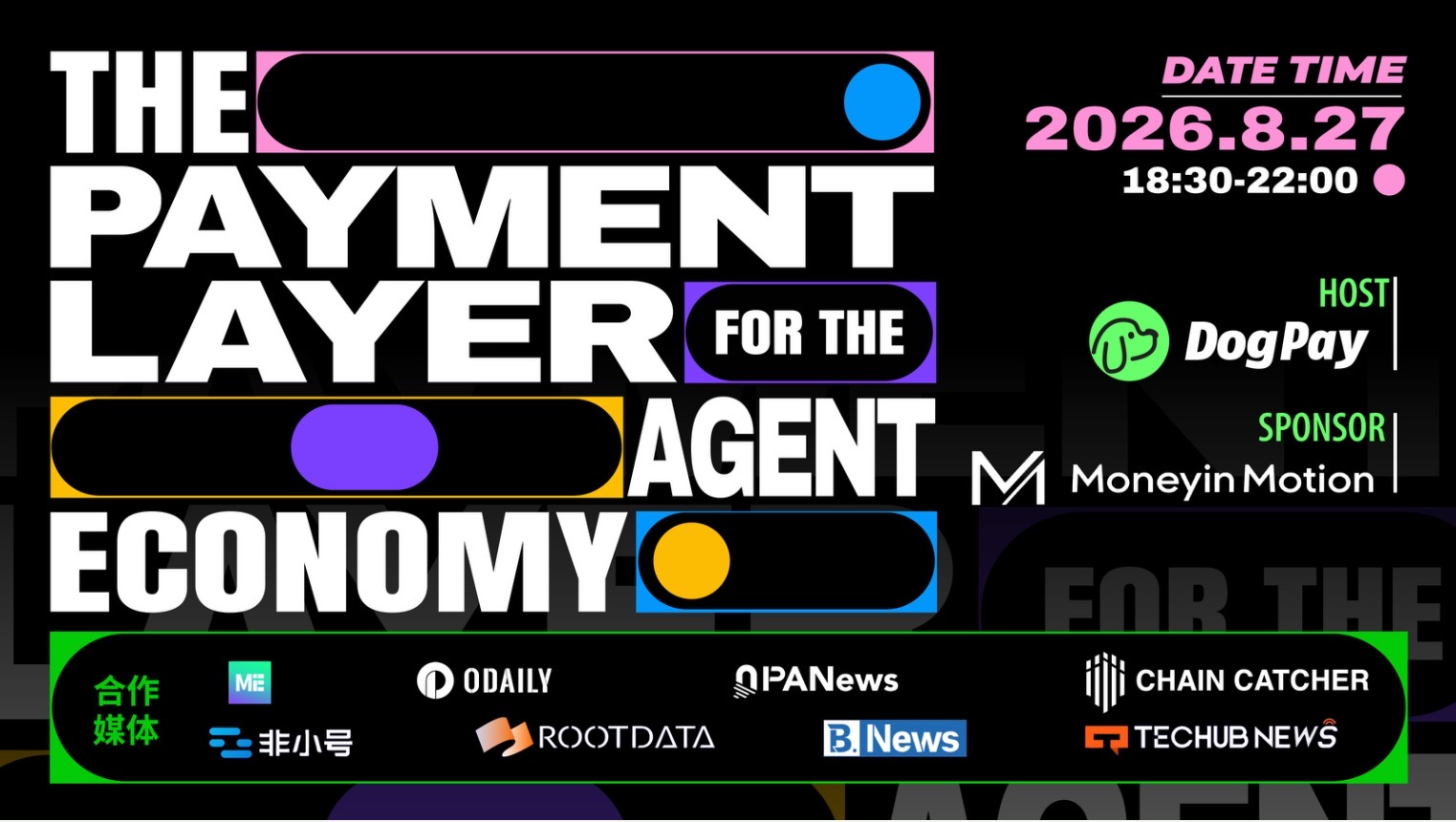
On August 27, DogPay hosted “The Payment Layer of the Agent Economy” in Hong Kong, bringing together participants from payments, Web3, AI applications, trading and cross-border commerce to discuss emerging developments in AI agents, global payments, agent payments and intelligent trading.
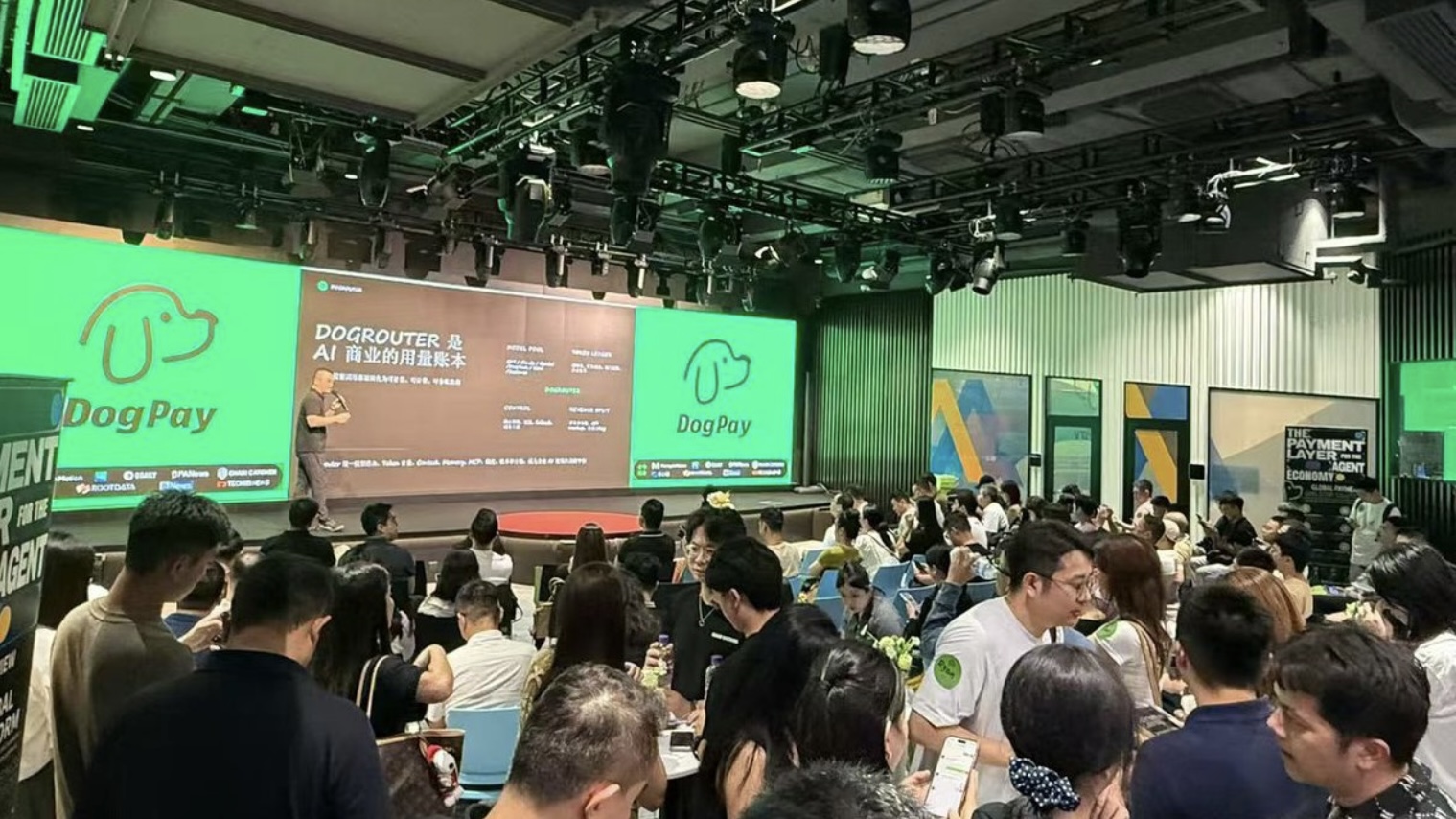 DogPay Agent Economy Payment Layer Live Activity Diagram
From “AI Tools” to “AI Agents”: AI Is Entering the Real Economy
In the past, AI primarily focused on information processing and content generation. AI agents are now moving further into practical applications such as search, decision-making, service access and transactions.
As agents begin to act on behalf of users, they require more than model capabilities. They also need infrastructure covering identity, authorization, accounts and value exchange.
DogPay’s “The Payment Layer of the Agent Economy” event in Hong Kong
From “Human Payments” to “Agent Payments”: Payment Rules Are Being Rewritten
Traditional payments typically take place after a user makes a purchasing decision. For AI agents, however, payment could become an integral part of task execution.
An agent could make purchases within a predefined budget, settle payments based on service usage, or trigger payments and revenue sharing based on task outcomes.
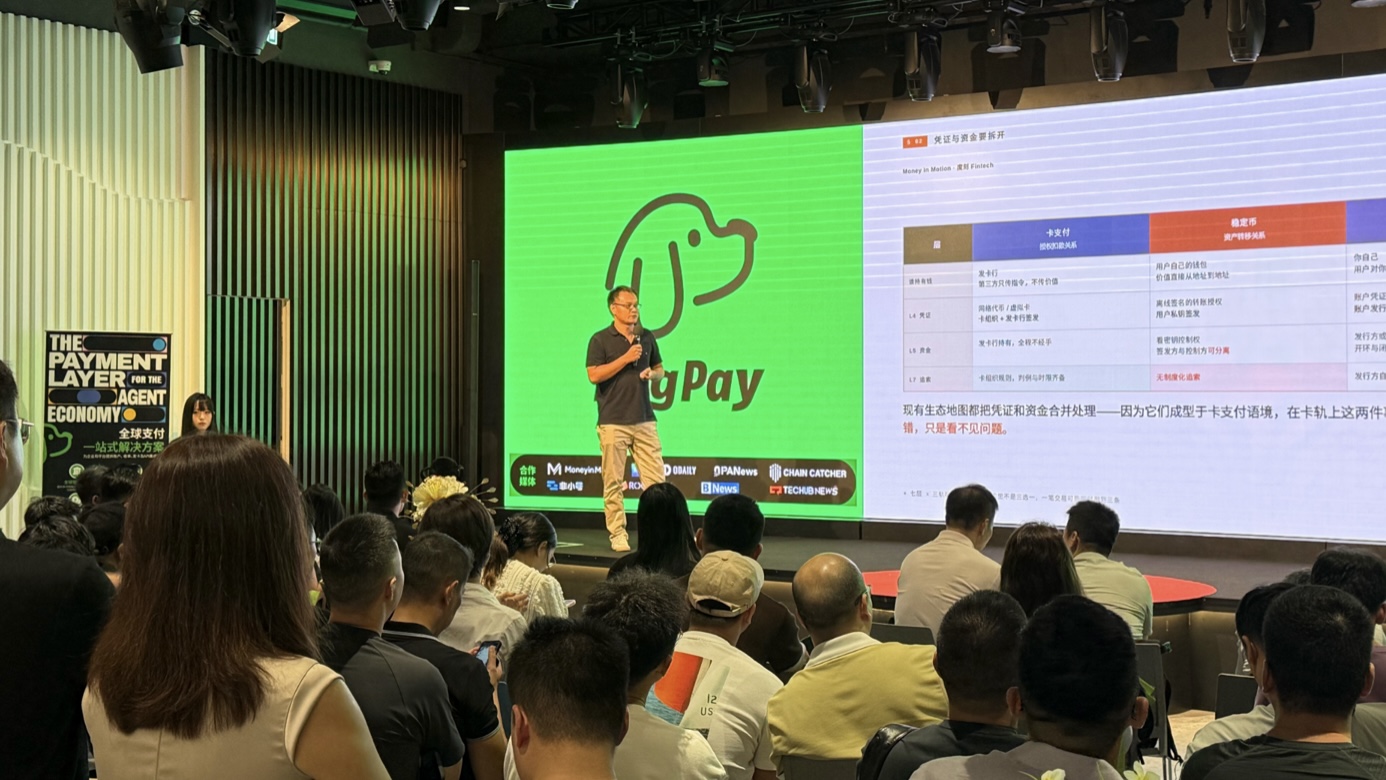 DogPay Agent Economy Payment Layer Live Activity Diagram
This creates new requirements for payment systems, including transaction authorization, spending limits, identity verification, usage records and transaction tracking.
From “A Wallet” to a “Complete System”: DogPay Builds Infrastructure for Agent Payments
s AI agents enter commercial environments, DogPay argues that the agent economy needs more than a payment button. It requires infrastructure connecting identity, usage and payment.
DogPay positions DogID, DogRouter and DogPay across the identity, usage and payment layers, supporting agent identification, service interactions, value flows and settlement.
In this model, an agent must first establish “who it is,” then determine “what it is authorized to do,” before addressing “how it pays” and “how transactions are settled.”
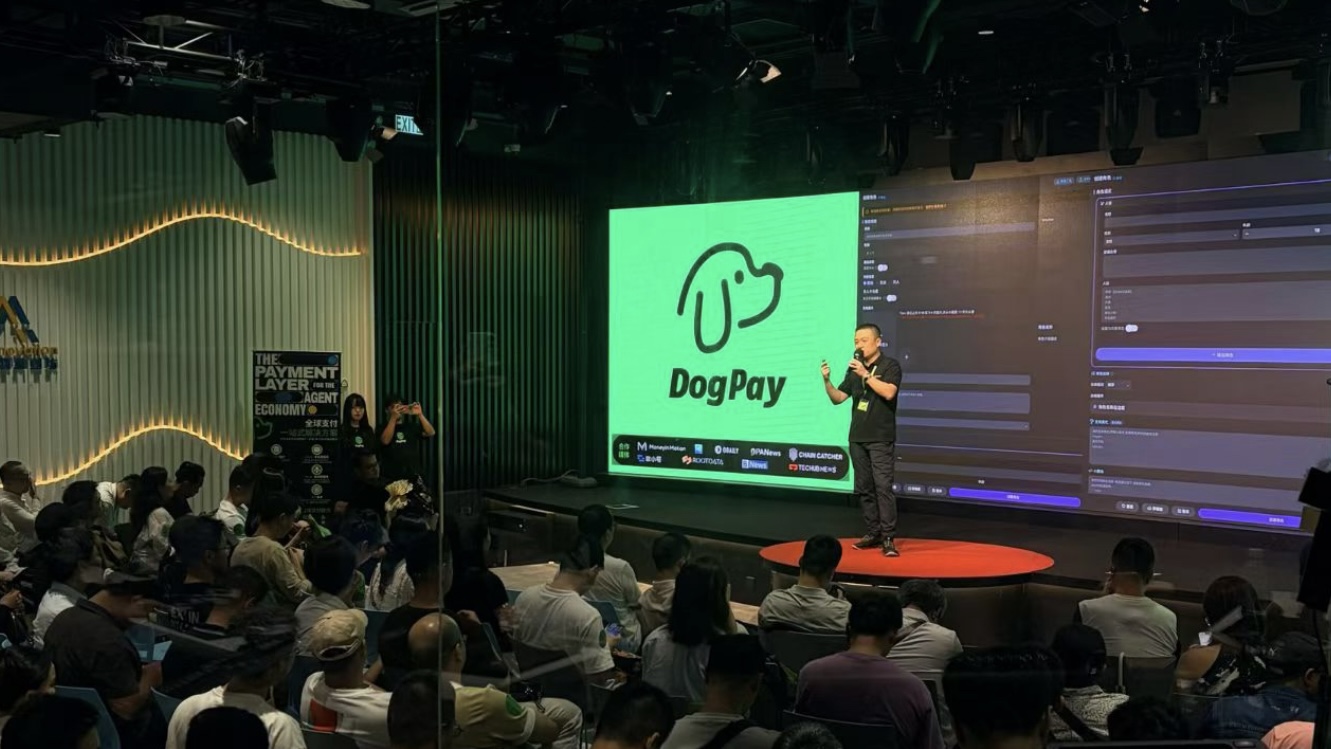 DogPay Agent Economy Payment Layer Live Activity Diagram
From “Trading on Behalf of Humans” to “Autonomous Trading”: Who Controls AI’s Financial Actions
As AI agents become increasingly capable of participating in transactions, wallet security, permission controls, trusted data, transaction costs, auditability and accountability are becoming important infrastructure requirements.
During the event, two potential paths for AI agents in trading were discussed: one in which agents become relatively independent trading entities, and another in which they act as digital representations of traders, executing transactions according to established trading systems and risk preferences.
From AI that can think, to AI that can execute, and eventually to AI that can exchange value, the agent economy is entering a new phase.
As more AI agents begin participating in commercial activities, the industry will need to address how machines can establish clear identities, receive appropriate authorization, and complete payments and settlements securely.
(This article is for informational purposes only and does not constitute investment advice.)