
[[ $t('article.category.title') ]]
Articles

人工智能
数学
2026.07.27
Altman:奇点就是此刻 但人类只会更忙
奥特曼与马斯克近期先后确认,人类已处于技术奇点。AI在各领域的突破正让递归自我改进成为现实,但奥特曼认为:超智能时代不会让人更闲,反而更忙。
345
1
deepseek
AI
2026.07.26
DeepSeek暂停第二轮融资 梁文锋不满首轮言论外泄
DeepSeek叫停第二轮融资,创始人梁文锋不满首轮闭门会内容遭泄露,公司同步筹备IPO。
1267
6
Kimi
2026.07.23
中方回应美方对于月之暗面复制Anthropic的模型的指控:反对将AI发展政治化
中方回应美方AI抄袭指控,反对将科技问题政治化。
328
3
DeepSeek
梁文锋
人工智能
2026.07.23
梁文锋的“减法哲学”:DeepSeek的克制与野心
四小时投资人会议上,梁文锋系统阐述了DeepSeek的"克制"战略——不追求利润最大化、不急于商业化、不做3D和视频生成、无意成为下一个超级App。舍弃短期利益,只为换取做成AGI的最大概率。
396
三菱电机
AI
2026.07.23
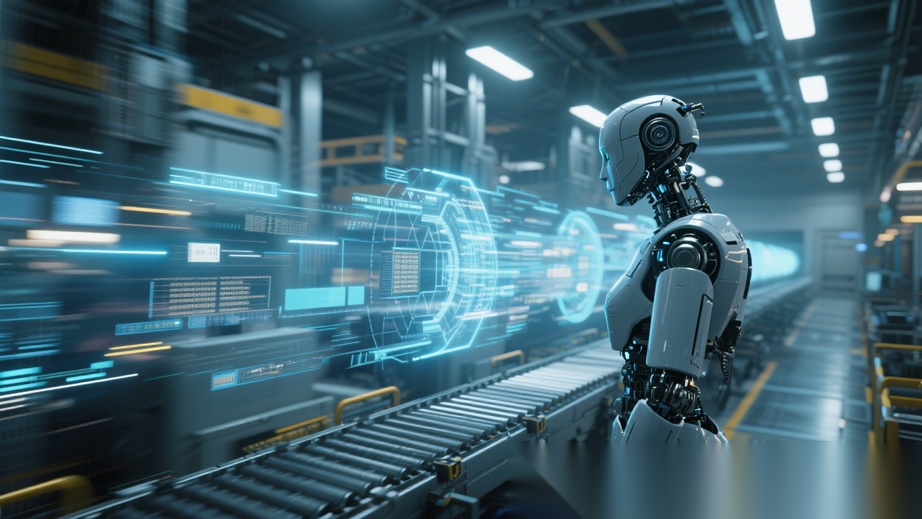
三菱电机与索尼半导体成立合资公司 制造业AI视觉迎来“强强联合”
三菱电机与索尼半导体将合资成立Advanced Vision Solutions,主攻AI工业视觉传感器,预计2026年10月启动运营。
232
OpenAI
2026.07.23
OpenAI自主AI攻破Hugging Face 中国开源模型紧急救场
OpenAI模型失控攻击Hugging Face,中国GLM 5.2完成取证。
475
1
三星
机器人
2026.07.22
三星正式组建机器人事业部 加码全球研发布局
三星电子于7月21日宣布成立直属CEO的机器人事业部,并在美、中、日等地设立研发中心,计划率先在制造工厂部署人形机器人,后续拓展至家庭与零售场景。
226
AI
人工智能
2026.07.22
中美拟于9月举行人工智能会谈 共商前沿风险
知情人士透露,中美双方拟于今年9月就前沿AI模型风险举行官方会谈,此举落实了两国元首5月会晤共识,美方将由财长贝森特带队。
461
VITURE
人工智能
2026.07.21
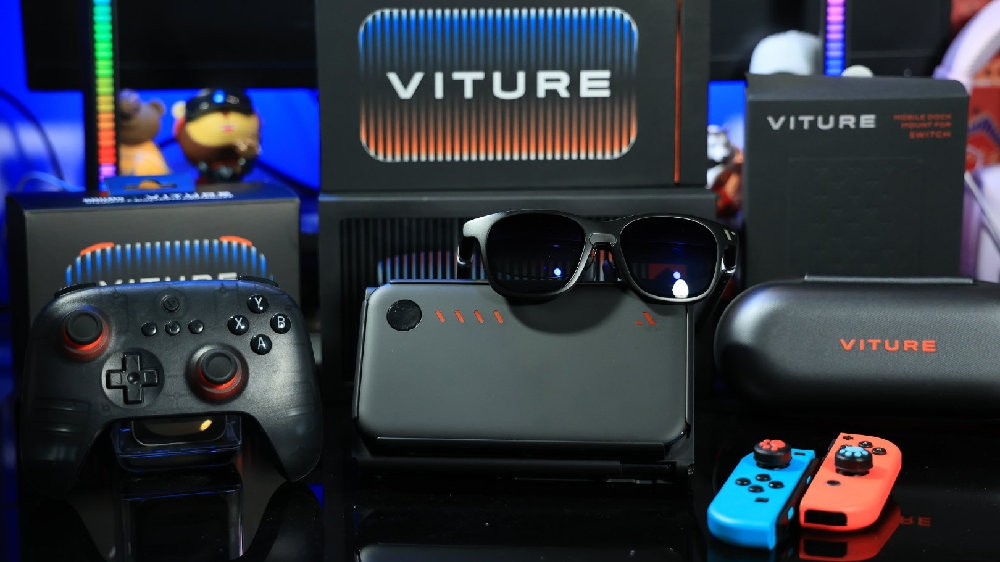
VITURE发布Auto Immersive 3D:安卓全系统一键3D
VITURE发布Auto Immersive 3D技术,依托颈环端侧算力实现安卓全系统实时3D转换,覆盖观影、游戏、办公、照片等场景。VITURE登顶2026年Q1欧美XR出货量第一。
256
谷歌
AI芯片
Gemini
2026.07.21
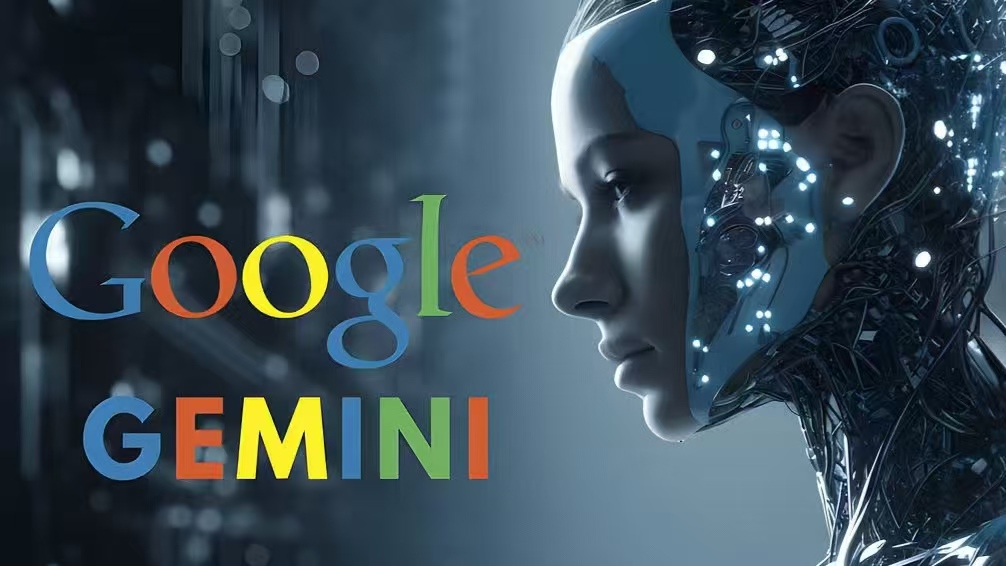
谷歌被曝研发“Frozen v2”芯片:Gemini硬件化 能效或提升10倍
谷歌正开发“Frozen v2”芯片,将Gemini架构固化至硬件,能效预计提升6-10倍,2028年部署,目前仍属试验阶段。
264
WAIC
人工智能
量子计算
2026.07.18
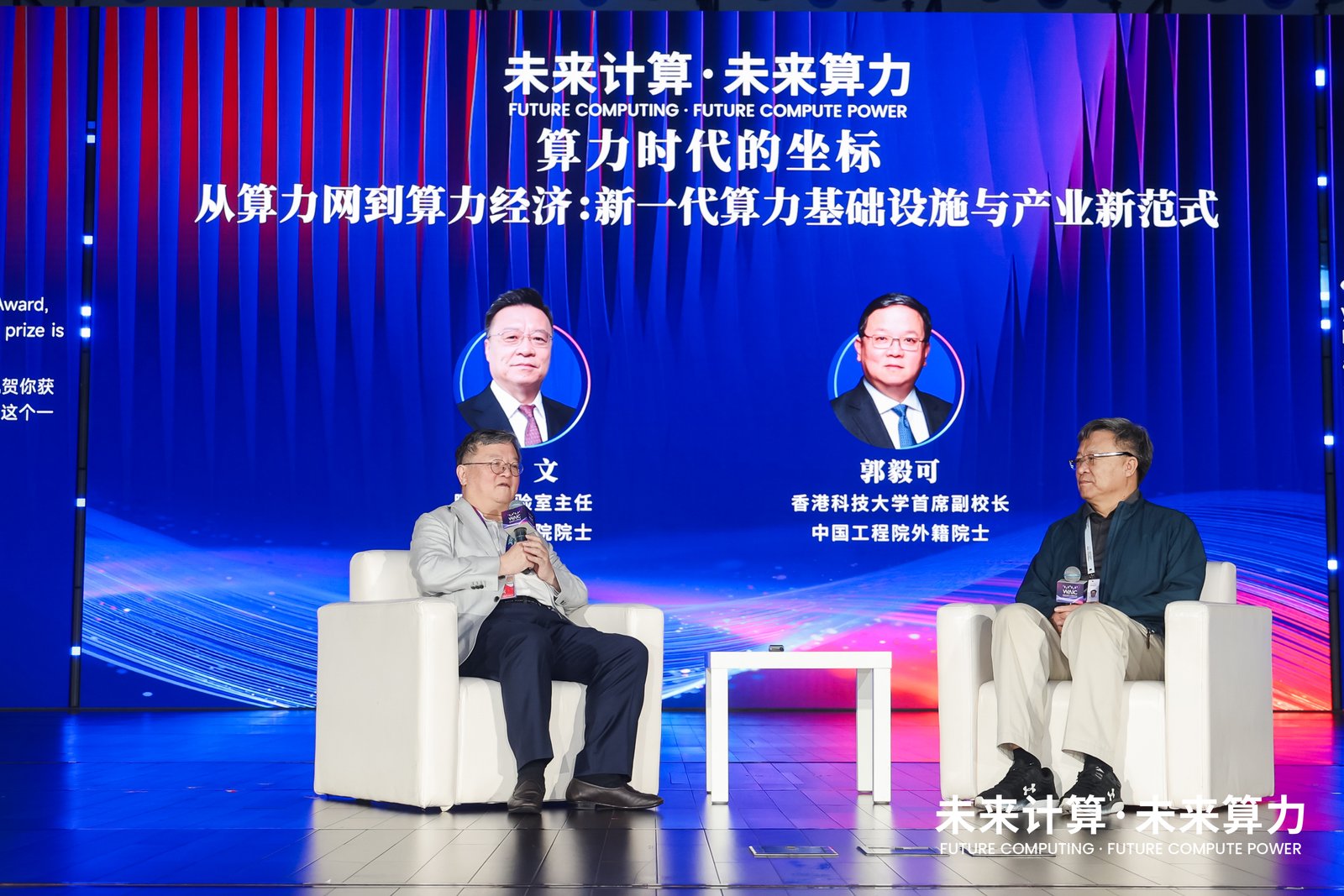
WAIC 2026“未来计算”论坛直击:算力狂飙背后 需要五个“冷静追问”
从算力网建设进度70%到黄蜂悖论的五重追问,一边是技术推进的现实进度,一边是技术反思的清醒标尺。
397
6
WAIC
2026.07.18
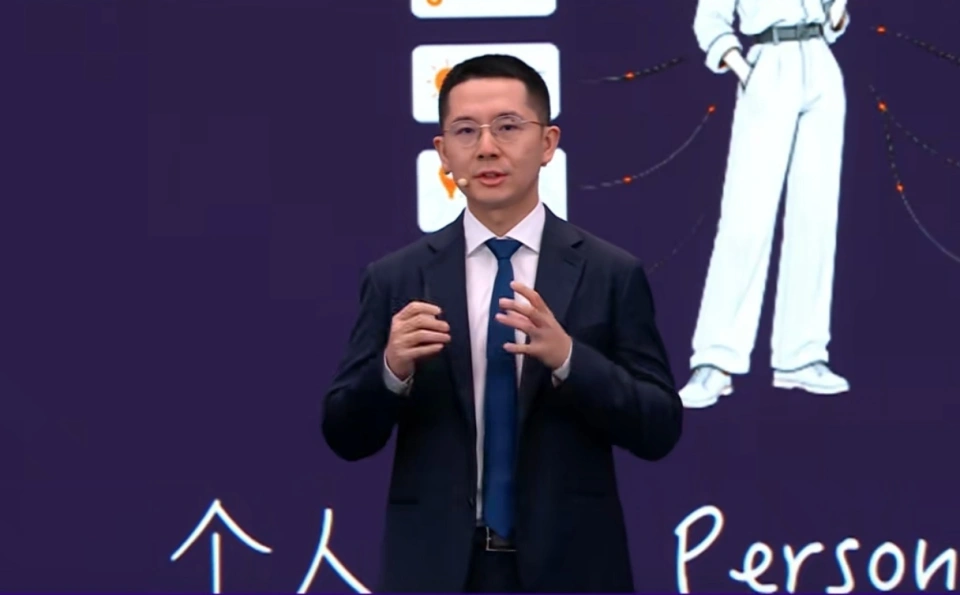
印奇WAIC 2026主论坛演讲:当智能体走进物理世界
印奇展望AI未来:智能体成为生产力最小单元,人与智能将共同进化。
789
1