


On November 4, SpaceX announced that it had selected Qualcomm as a technology partner to support the development of a nationwide terrestrial 5G network in the US under its Starlink Mobile business. According to Qualcomm, deployment is expected to begin in 2027, with tens of thousands of base stations planned across the country.
The partnership marks a major shift in SpaceX's strategy, as the company moves from satellite internet services toward an integrated communications network. More importantly, Qualcomm describes the collaboration as an important step toward commercializing AI-native 6G infrastructure.
From Satellite Internet to Terrestrial 5G: SpaceX Expands Its Network Strategy
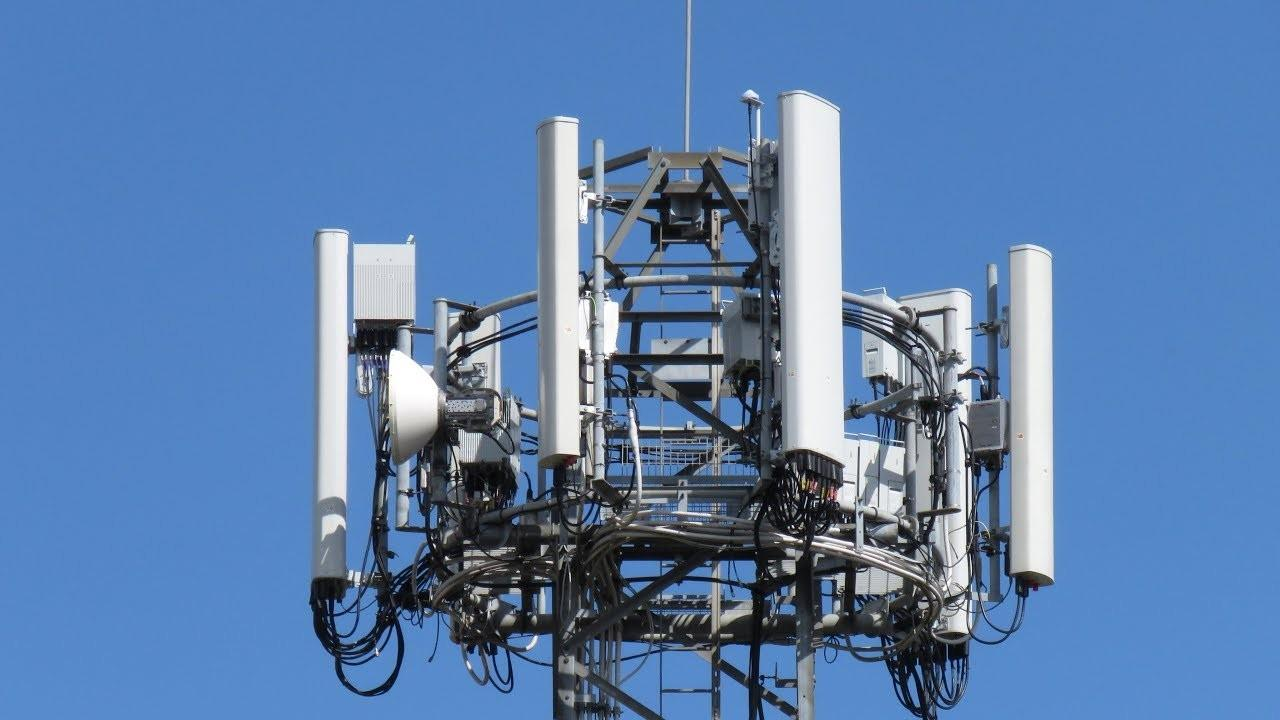 Starlink has primarily relied on low-Earth-orbit satellites to provide internet access in areas where traditional ground networks are difficult to deploy. However, satellite communications alone cannot fully replace terrestrial infrastructure, particularly in densely populated cities.
Under the partnership, Qualcomm will provide its Dragonwing QRU100 and QDU100 cellular infrastructure platforms, along with related signal-processing software. The base stations will use 64T64R Massive MIMO technology, which employs 64 transmit and 64 receive channels to improve network capacity and spectrum efficiency.
SpaceX aims to combine terrestrial base stations with its low-Earth-orbit satellite network. Ground infrastructure will serve densely populated areas, while satellites will help extend coverage to remote locations.
This also signals a broader ambition: SpaceX is no longer focused solely on providing home broadband. It is moving into the mobile communications market, where it will compete with established US carriers such as AT&T, Verizon and T-Mobile.
As AI Moves Into the Physical World, Why Does It Need Better Connectivity?
The significance of this partnership goes beyond building another 5G network.
As AI moves beyond chatbots and into smart glasses, humanoid robots and autonomous vehicles, more AI applications will depend on continuous connectivity to cloud systems for data transmission, model access and real-time decision-making.
For example, an industrial robot may need to send camera footage to the cloud, where an AI model processes its surroundings and generates instructions before sending them back to the machine. This process requires reliable connectivity, low latency and broad network coverage.
Traditional networks were largely designed to connect people. The next generation must also support growing volumes of communication between machines.
As AI enters the physical world, connectivity is becoming a fundamental part of how intelligent devices operate.
SpaceX's investment in terrestrial 5G could therefore provide a broader connectivity foundation for future mobile AI devices. While networks do not provide AI computing power themselves, they determine how efficiently devices can access cloud-based intelligence.
Qualcomm Uses SpaceX Partnership to Advance AI-Native 6G
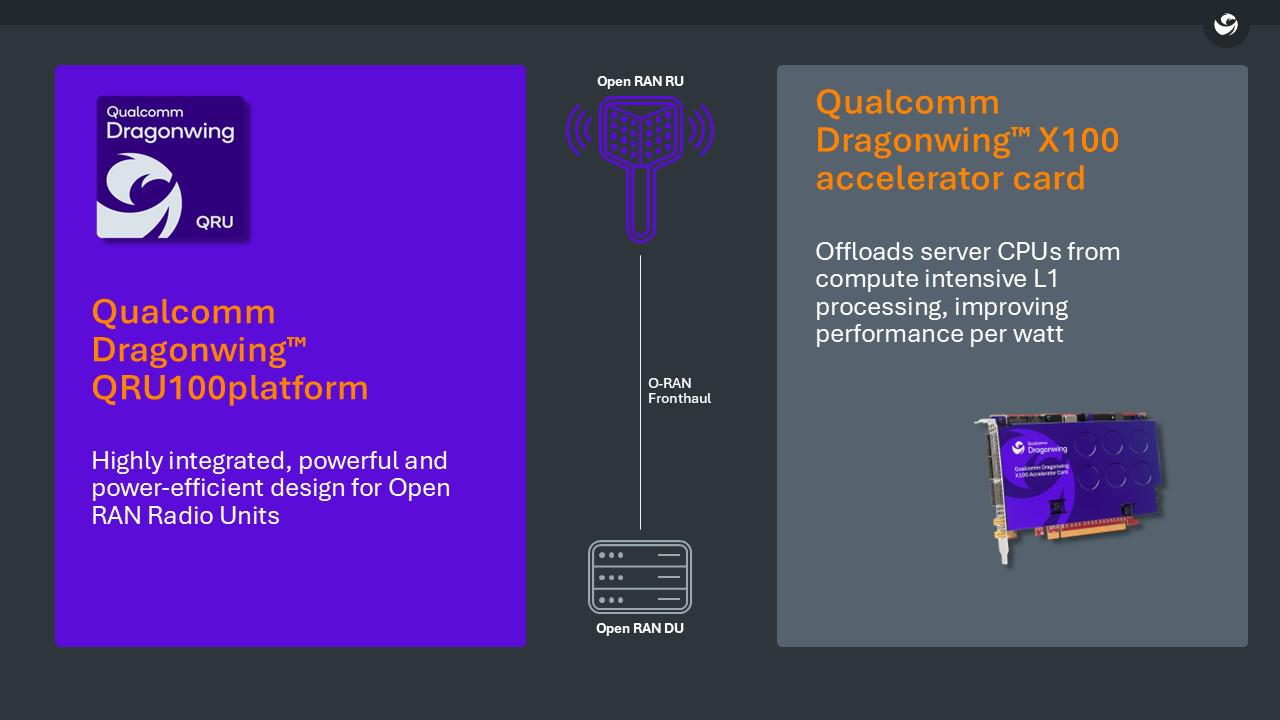 For Qualcomm, the deal represents an important expansion of its business.
The company has traditionally been best known for smartphone processors and wireless chips. It is now moving further into cellular infrastructure, including base stations and network technologies.
Qualcomm has explicitly positioned the partnership as a step toward AI-native 6G infrastructure.
AI-native networks go beyond simply adding AI features to existing communication systems. They aim to integrate AI into network resource allocation, signal optimization and traffic prediction, allowing networks to adjust dynamically to changing demands.
As billions of robots, vehicles and intelligent devices come online, traditional network management methods may face increasing pressure. AI could help communication systems operate more efficiently.
For Qualcomm, SpaceX offers a large-scale infrastructure deployment opportunity. For SpaceX, Qualcomm provides the technology needed to build its terrestrial 5G network. Both companies are positioning themselves for the next generation of communications.
From Telecom Services to AI Infrastructure
Building a nationwide mobile network will not be easy for SpaceX. Tens of thousands of base stations require substantial investment, while spectrum availability, regulatory approvals, infrastructure deployment and competition with established carriers remain major challenges.
Nevertheless, the partnership sends a clear signal: competition in the AI industry is expanding beyond models and chips to include networks, devices and underlying infrastructure.
As AI moves from computers and smartphones into vehicles, robots and other connected devices, companies capable of providing more reliable and extensive connectivity may gain an important advantage in the next generation of intelligent device ecosystems.
SpaceX may be building a 5G network today, but its ambitions clearly extend beyond the telecommunications market of the present.