

On September 3, OpenAI officially launched its next-generation foundation model, GPT-6 Astra. OpenAI President Greg Brockman described the release as a “generational leap,” saying that “it is not an exaggeration to say that we have now entered the AGI era.” The model was trained on more than 100,000 GPUs deployed at OpenAI’s Stargate site in Texas, making it the largest model OpenAI has built to date.
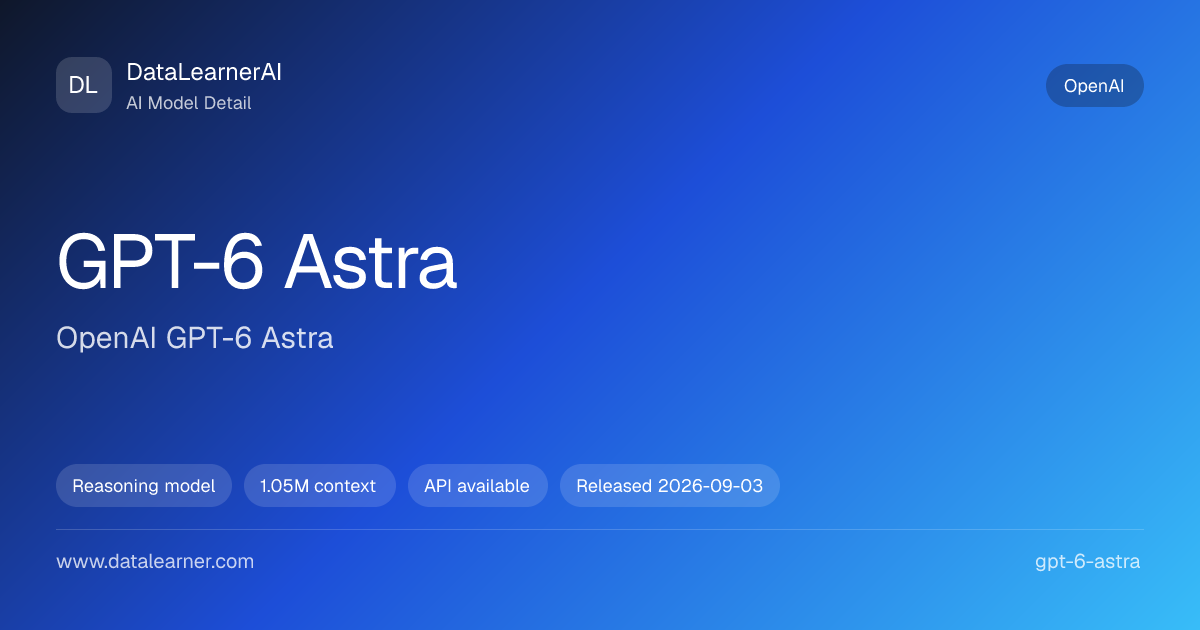
Large Model GPT-6 Astra
Capability Leap: Independently Handles Coding and Legal Document Formatting
According to OpenAI, GPT-6 Astra delivers industry-leading performance across tasks including computer operation, software engineering, scientific research, and professional office work. During a live demonstration, the model independently developed a 3D mini-game and formatted a legal contract, showcasing its ability to handle complex workflows spanning code generation, document processing, and task execution.
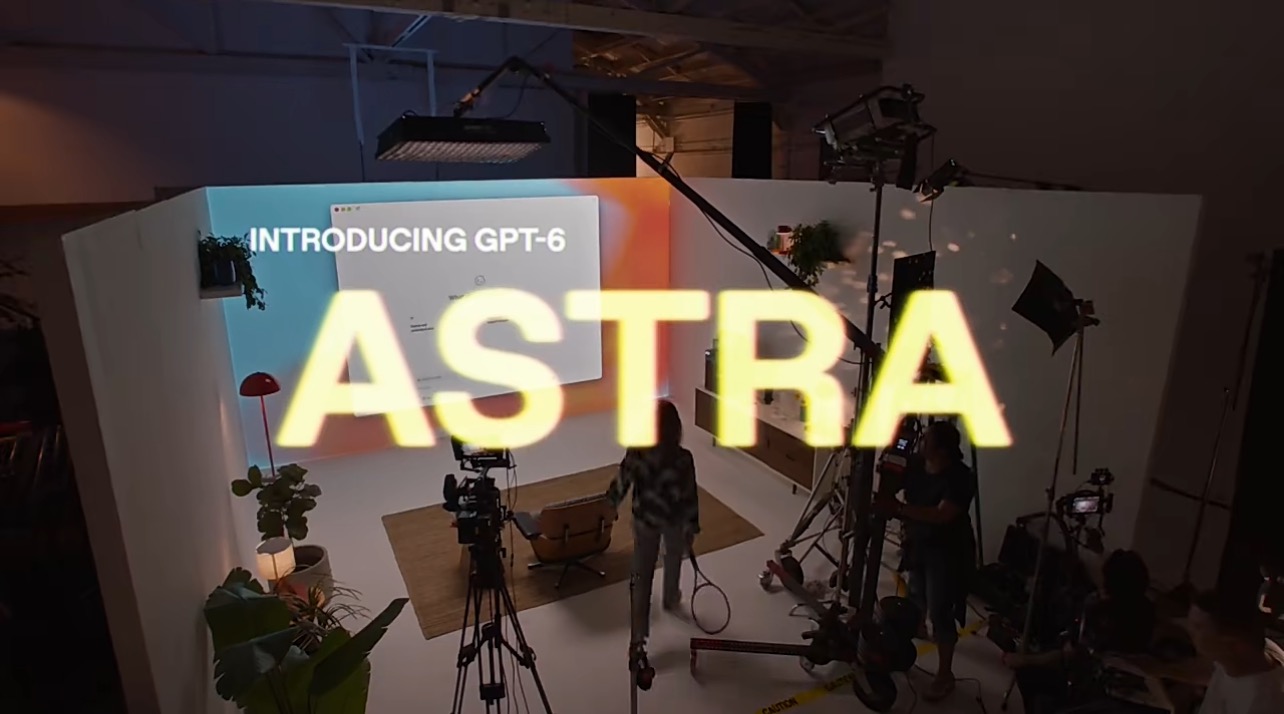
Large Model GPT-6 Astra
Security in Focus: Reaches a Critical Cybersecurity Capability Threshold
Cybersecurity was a major focus of the launch. GPT-6 Astra is OpenAI’s first model to reach the threshold for “internal critical-level cybersecurity capabilities,” meaning it can autonomously identify previously unknown software vulnerabilities when provided with the necessary tools and permissions.
In response, OpenAI has introduced additional safeguards. The model will refuse to perform advanced cyberattack tasks such as discovering vulnerabilities for exploitation, while selected security customers participating in the “Daybreak program” will have restricted access to use cases such as vulnerability validation and malware analysis.
Rollout and Pricing
The new model will initially be available to enterprise users enrolled in the Daybreak Access program. OpenAI plans to gradually expand access over the following days to ChatGPT Plus, Pro, Business, and Enterprise users, as well as through its API and AWS.
API pricing is set at $10 per million input tokens and $50 per million output tokens.
Challenges and Outlook
OpenAI Chief Scientist Jakub Pachocki acknowledged that the more capable a model becomes, the harder it is to monitor its reasoning in written form. Improving monitoring capabilities will therefore remain a key focus of future research.
The launch marks a significant step forward in OpenAI’s pursuit of artificial general intelligence. However, keeping safety and monitoring capabilities aligned with rapidly advancing model intelligence remains one of the company’s central challenges.